What Is Effective Diet Plan? Experts Reveal the Formula Celebs Secretly Follow
The concept of successful eating strategies has shifted dramatically over the past decade, moving away from rigid calorie tracking toward more adaptable, lifestyle-integrated approaches. Fitness superstars like Chris Hemsworth and health-conscious celebrities like Gisele Bündchen have embraced clean, sustainable eating methods in recent years.
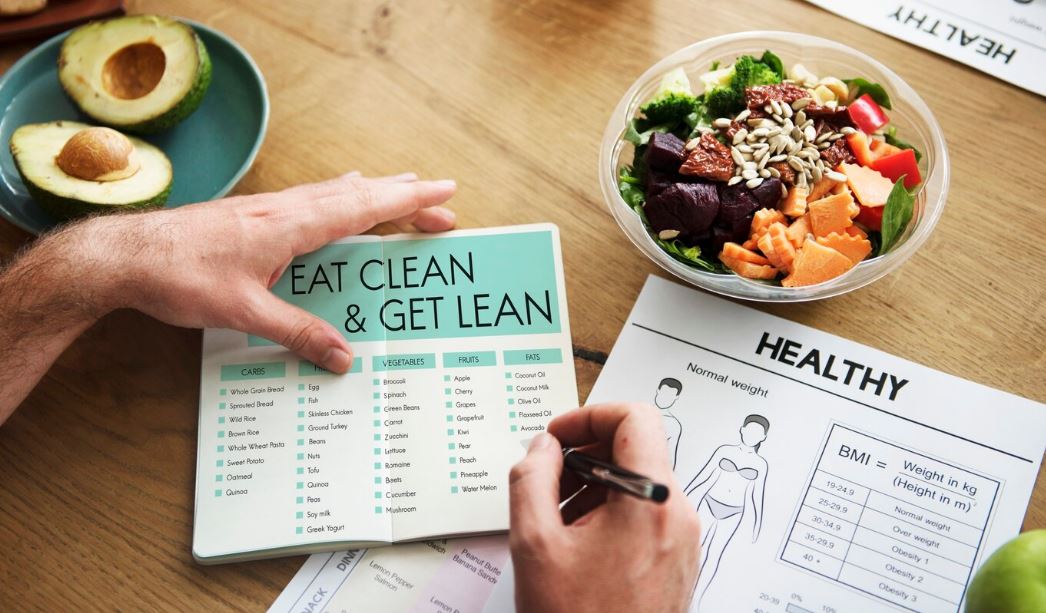
The concept of successful eating strategies has shifted dramatically over the past decade, moving away from rigid calorie tracking toward more adaptable, lifestyle-integrated approaches. Fitness superstars like Chris Hemsworth and health-conscious celebrities like Gisele Bündchen have embraced clean, sustainable eating methods in recent years.
Rather than restrictive fad diets, modern successful plans emphasize balance and whole foods. The body requires diverse fuel sources including complex carbohydrates, lean proteins, healthy fats, and essential micronutrients to function optimally.
Core Elements of an Effective Diet Plan
An effective diet plan incorporates several key components:
- Caloric Balance: Appropriate energy intake for your goals
- Nutrient Density: Whole foods rich in vitamins and minerals
- Sustainability: Long-term adherence without extreme restriction
- Personalization: Customized to individual needs and preferences
Macronutrient Balance
The body needs all three macronutrients in proper proportions:
- Complex Carbohydrates: Energy for daily activities and brain function
- Lean Proteins: Muscle maintenance and repair
- Healthy Fats: Hormone production and nutrient absorption
- Essential Micronutrients: Vitamins and minerals for overall health
Food Inclusion Frequency
Understanding how often to include different foods helps create sustainable eating patterns:
- Daily: Vegetables, fruits, whole grains, lean proteins
- Several times weekly: Fish, legumes, nuts, seeds
- Occasionally: Treats and favorite indulgences in moderation
- Rarely: Highly processed foods and added sugars
Meal Timing and Distribution
Strategic meal timing supports energy levels and metabolism throughout the day. Whether you prefer three main meals or multiple smaller meals, consistency helps regulate hunger and energy.
Portion Awareness
Rather than strict measurement, use intuitive portion methods:
- Protein: Palm-sized portions
- Vegetables: Fist-sized servings
- Carbohydrates: Cupped hand portions
- Fats: Thumb-sized amounts
These visual guides make portion control practical without requiring scales or measuring cups.
Sustainability and Flexibility
Successful diets adapt to real life. Key sustainability factors include:
- Cultural Adaptation: Incorporating traditional family recipes with healthier modifications
- Mindful Eating: Paying attention to hunger cues and satisfaction
- Flexibility: Allowing favorite foods in moderation without guilt
- Social Integration: Maintaining eating patterns during social events
Scientific Support
Research from organizations like Mayo Clinic and Harvard Health supports unprocessed food consumption as the foundation of healthy eating. Studies consistently show that diets rich in whole foods support better health outcomes than restrictive fad diets.
Contemporary Approaches
Modern dietary strategies include options like intermittent fasting, but meal quality during eating windows remains paramount. The best approach combines time-tested nutritional wisdom with evidence-based practices suited to individual lifestyles.
Cultural Shifts in Nutrition
Current trends favor authenticity in health routines, rejecting fad cleanses in favor of nutrient-dense meals and traditional cooking practices. This shift recognizes that sustainable health comes from consistent, balanced eating rather than extreme measures.
Celebrity Influence
High-profile individuals have moved away from promoting extreme diets toward showcasing balanced, whole-food approaches. This transparency has helped normalize sustainable eating patterns and reduced the appeal of dangerous crash diets.
Building Your Effective Diet Plan
Creating an effective diet plan requires:
- Assessment: Understanding your current eating patterns and goals
- Planning: Selecting nutrient-dense foods you enjoy
- Implementation: Starting with manageable changes
- Adjustment: Refining based on how your body responds
- Maintenance: Developing habits that support long-term success
The most effective diet plan is one you can maintain for life, not just for a few weeks. Focus on nourishing your body with quality foods while maintaining the flexibility to enjoy life’s pleasures in moderation.