Personal Blender Benefits Guide: Convenience for Healthy Blending
A personal blender benefits guide highlights convenience, portability, and portion control for healthy blending. These compact appliances are ideal for individual servings.
Intro
A personal blender offers convenience and portability for preparing individual portions of smoothies, shakes, and other blended drinks. These compact appliances are designed for single-serve use, making them suitable for individuals with limited kitchen space or those who prefer on-the-go blending, according to registered dietitians. This guide explores the advantages and considerations of incorporating a personal blender into your routine.
How It Works
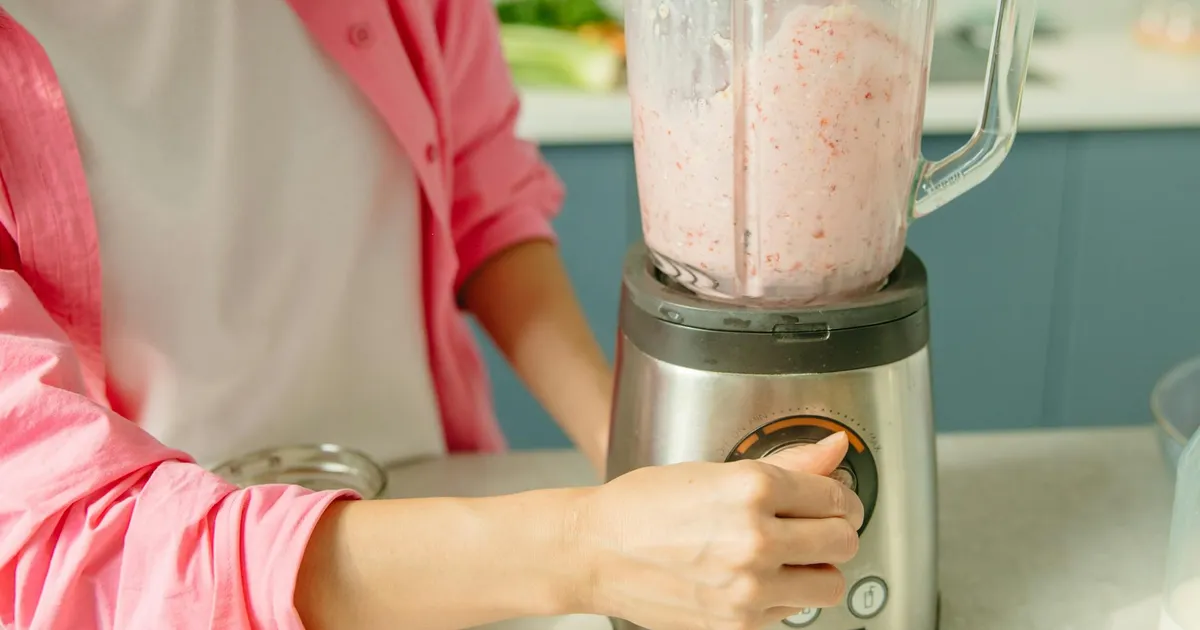
A personal blender operates by using a motor to spin blades at high speeds, pulverizing ingredients within a compact blending cup. The blending cup often detaches to double as a portable drinking vessel. Power, measured in watts, determines the blender’s ability to process ingredients; models with higher wattage, like those around 1000 watts, can handle tougher items such as frozen fruit or ice. Many models include rechargeable batteries for cordless operation, enhancing portability.
Proven Benefits
- Convenience: Personal blenders are easy to use, allowing for quick preparation of healthy drinks in minutes.
- Portability: Their compact size and lightweight design facilitate easy transport from home to office or while traveling.
- Portion Control: These blenders are designed for single servings, which can help manage intake of calorie-dense ingredients.
- Space-Saving: Personal blenders occupy less counter space compared to full-size blenders, ideal for smaller kitchens.
- Quick Cleanup: The smaller components are generally easier and faster to clean after each use.
- On-the-Go Nutrition: Users can blend a drink and immediately take it with them, supporting consistent healthy eating habits.
What Science Actually Says
Research suggests that personal blenders can support dietary goals by making it easier to consume fruits and vegetables. Studies indicate that increased fruit and vegetable intake is associated with better health outcomes. However, the specific health benefits derived from using a personal blender are primarily linked to the nutritional content of the ingredients blended, rather than the appliance itself. Evidence regarding direct health improvements solely from personal blender use is limited.
Risks and Warnings
- Motor Strain: Personal blenders may struggle with very tough ingredients like large ice cubes or hard frozen fruits, potentially leading to motor overheating or damage.
- Noise Levels: Some models can be noisy, especially when blending harder ingredients, which might be disruptive in quiet environments.
- Uneven Blending: Lower wattage models might not achieve a consistently smooth texture with all ingredients.
- Battery Life: Cordless models rely on rechargeable batteries, which can limit blending time if not adequately charged.
How to Do It Right
- Chop Ingredients: Cut fruits and vegetables into 1-inch pieces before blending to ensure smoother results and reduce motor strain.
- Add Liquids First: Pour liquids, such as 1 cup of water or milk, into the blending cup before solid ingredients to aid blade movement.
- Avoid Overfilling: Do not fill the blending cup past the maximum fill line to prevent leaks and ensure proper blending.
- Pulse for Tough Ingredients: Use the pulse function for short bursts when blending harder items to break them down gradually.
- Clean Immediately: Wash the blending cup, blades, and lid with soap and water immediately after each use to prevent residue buildup.
Who Should Try It
- Busy Individuals: People with limited time seeking quick, healthy meal or snack preparation.
- Single-Serve Consumers: Those who live alone or prefer individual portions of smoothies and shakes.
- Commuters: Individuals who want to prepare and transport their blended drinks easily for work or travel.
Who Should Avoid It
- Individuals with Large Families: Those needing to prepare multiple servings simultaneously will find a personal blender insufficient.
- Users Needing High Power: People who frequently blend very hard ingredients like nuts or large quantities of ice may require a full-size, higher-wattage blender.
- Individuals with Hearing Sensitivity: Some models can be loud, which might be problematic for those sensitive to noise.
FAQ
Q: How much liquid should I use in a personal blender? A: Start with at least 1/2 cup (120 ml) of liquid for most recipes to ensure proper blending and blade movement.
Q: Can I put hot liquids in a personal blender? A: Most personal blenders are not designed for hot liquids; blending hot liquids can create pressure buildup and cause the cup to burst. Always use cool or room-temperature ingredients.
Q: How long does it take to blend a smoothie in a personal blender? A: A typical smoothie usually blends in 30-60 seconds, depending on the ingredients and blender power.
Q: How often should I clean my personal blender? A: Clean your personal blender immediately after every use to prevent food residue from drying and to maintain hygiene.
Q: Can a personal blender crush ice effectively? A: Higher wattage personal blenders (e.g., 600 watts or more) can crush small amounts of ice, but large ice cubes or significant quantities may strain the motor. Use crushed ice or smaller cubes for best results.