Cold Press Juicer vs Citrus Juicer: Choosing Your Ideal Machine
A cold press juicer excels for diverse fruits and vegetables, while a citrus juicer is best for oranges, lemons, and limes. This guide compares cold press juicer vs citrus juicer.
A cold press juicer offers versatility for various fruits and vegetables, while a citrus juicer specializes in extracting juice from oranges, lemons, and limes. The primary difference lies in their operational mechanism and the types of produce they process efficiently. Your choice depends on your specific juicing needs and desired juice variety.
Quick Comparison
| Factor | Cold Press Juicer | Citrus Juicer |
|---|---|---|
| Produce Type | Fruits, vegetables, leafy greens | Citrus fruits (oranges, lemons, limes) |
| Juice Yield | High | High (for citrus) |
| Nutrient Retention | High, due to minimal heat | High (for citrus) |
| Shelf Life of Juice | Up to 72 hours | Best consumed fresh (within 24 hours) |
| Price Range | ~$100 - $500+ | ~$20 - $150 |
| Cleaning Difficulty | Moderate | Easy |
| Noise Level | Low | Low to Moderate |
| Versatility | High | Low |
What Is Cold Press Juicer?
A cold press juicer, also known as a masticating juicer, extracts juice by crushing and pressing produce. It operates at a low speed, typically between 40-100 RPM, to minimize heat buildup and oxidation. This method helps preserve more enzymes and nutrients in the juice.
What Is Citrus Juicer?
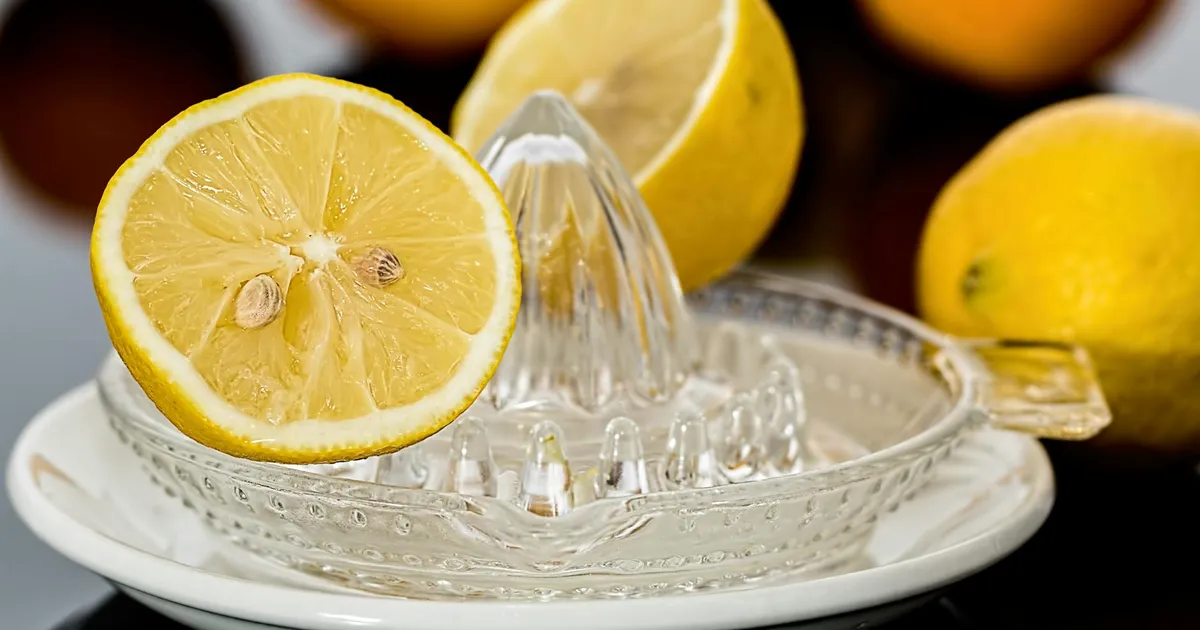
A citrus juicer is a machine specifically designed to extract juice from citrus fruits. It works by pressing a halved citrus fruit against a reamer, which rotates to separate the juice from the pulp and rind. These juicers are often simpler in design and operation.
Effectiveness: Which Gets Better Results?
A cold press juicer yields more juice from a wider variety of produce, including fibrous vegetables and leafy greens. The juice produced by a cold press juicer can be stored for up to 72 hours without significant nutrient degradation, according to research. A citrus juicer extracts juice quickly and efficiently from citrus fruits, but its juice is best consumed within 24 hours for optimal freshness. For diverse juice recipes, a cold press juicer offers superior versatility and nutrient preservation over time.
Safety: Which Is Safer?
Both juicer types are generally safe for home use when operated according to manufacturer instructions. Cold press juicers have slow-moving parts, reducing the risk of accidental injury compared to high-speed centrifugal models. Citrus juicers typically involve pressing fruit onto a reamer, which is also a low-risk operation. Individuals with dexterity issues may find electric citrus juicers easier to use than manual models. Consult your healthcare provider before making significant dietary changes, especially if you have conditions like acid reflux, as large quantities of citrus juice might exacerbate symptoms.
Cost and Convenience
Cold press juicers typically cost more, with models ranging from ~$100 to over $500, reflecting their complex mechanics and versatility. For example, a quality cold press juicer like the Juicer Machines, 5.3” Large Feed Chute Cold Press Juicer with Double Press Techn costs around $199.99. Citrus juicers are generally more affordable, priced between ~$20 and $150, such as the Vinci Hands Free Electric Citrus Juicer at $119.99. Cold press juicers require more time for preparation and cleaning due to their multiple components and the need to chop produce. Citrus juicers offer quick juicing for specific fruits and are easier to clean, often with dishwasher-safe parts.
Cold Press Juicer — Pros and Cons
Pros:
- Extracts juice from a wide range of fruits, vegetables, and leafy greens.
- Produces juice with a longer shelf life, up to 3 days, due to minimal oxidation.
- Retains more nutrients and enzymes by operating at low speeds and generating less heat.
- Offers a higher juice yield from most produce types compared to centrifugal juicers. Cons:
- Higher initial cost compared to citrus juicers.
- Slower juicing process and requires more prep time for produce.
- Cleaning can be more involved due to multiple parts.
Citrus Juicer — Pros and Cons
Pros:
- Efficiently extracts juice from oranges, lemons, limes, and grapefruits.
- Generally more affordable and compact than cold press juicers.
- Faster juicing process for citrus fruits.
- Easier to clean, often with fewer parts. Cons:
- Limited to juicing only citrus fruits.
- Juice has a shorter shelf life, ideally consumed within 24 hours.
- Cannot process leafy greens or hard vegetables.
Which Should You Choose?
Choose Cold Press Juicer if:
- You plan to juice a variety of ingredients, including leafy greens, hard vegetables, and soft fruits.
- You prioritize maximum nutrient retention and a longer juice shelf life.
- You are interested in making cold press juicer benefits guide recipes and various juice blends.
- You want to learn how to use cold press juicer for diverse applications.
Choose Citrus Juicer if:
- Your primary goal is fresh orange juice, lemon juice, or lime juice.
- You seek a quick, easy, and affordable juicing solution for specific fruits.
- You have limited counter space and prefer a compact appliance.
- You want to learn how to use citrus juicer for simple preparations.
FAQ
Can I combine both juicers for different purposes? Yes, many individuals own both types; a citrus juicer for daily fresh citrus, and a cold press juicer for more complex, nutrient-dense blends.
Which is better for beginners in juicing? A citrus juicer is simpler for beginners due to its ease of use and specific function. A cold press juicer requires more learning regarding produce preparation and assembly.
How often can I do each type of juicing? You can enjoy fresh citrus juice daily. Cold-pressed vegetable and fruit juices can also be consumed daily as part of a balanced diet, but consult your healthcare provider for any protocol lasting more than 3 days.
Final Verdict
The choice between a cold press juicer and a citrus juicer depends entirely on your juicing habits and desired outcomes. A cold press juicer offers superior versatility and nutrient preservation for a wide range of produce. A citrus juicer provides efficient, convenient juicing specifically for citrus fruits.