Blender For Smoothies vs Personal Blender: Which Is Best For You?
Blender for smoothies vs personal blender: A personal blender is better for single servings and portability, while a full-sized blender handles larger batches and tougher ingredients.
Intro
A personal blender is generally better for individuals making single-serving smoothies due to its compact size and convenience. A traditional blender for smoothies excels at preparing larger batches and processing tougher ingredients. The primary differentiator lies in capacity and motor power.
Quick Comparison
| Factor | Blender For Smoothies | Personal Blender |
|---|---|---|
| Capacity | 32-64 oz | 14-24 oz |
| Power | 500-1500+ watts | 175-900 watts |
| Batch Size | Multiple servings | Single serving |
| Portability | Low | High |
| Price Range | ~$60-$300+ | ~$30-$100+ |
| Noise Level | Moderate to high | Low to moderate |
| Cleaning | More components | Fewer components |
| Best Use | Large batches, frozen fruit, ice | Quick, on-the-go smoothies |
What Is Blender For Smoothies?
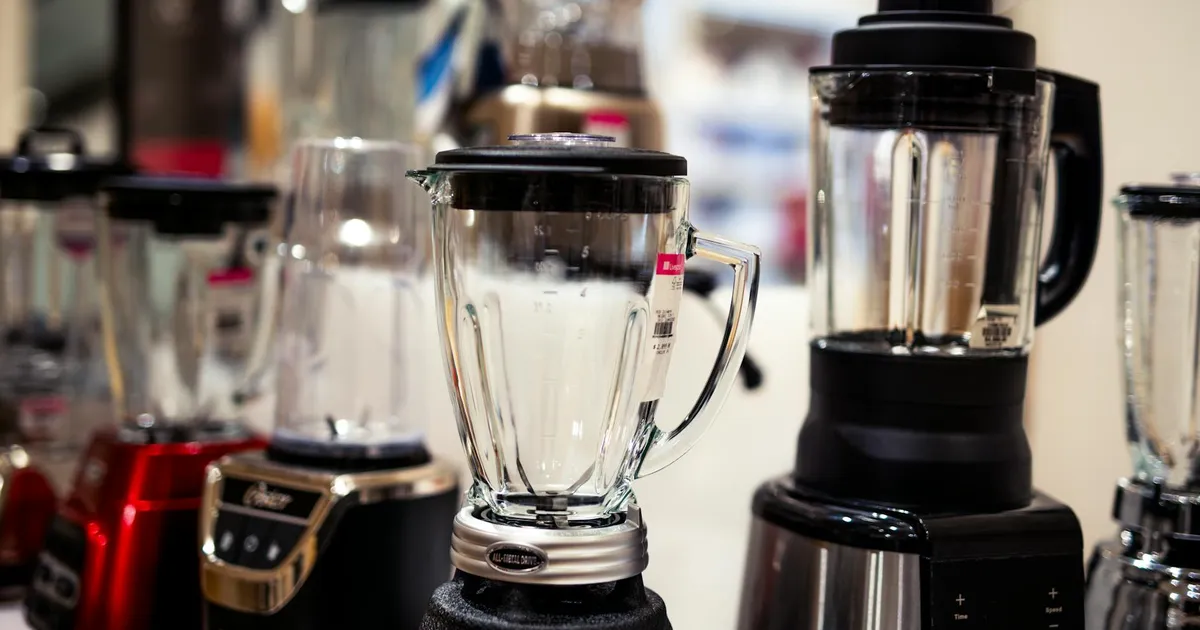
A blender for smoothies typically refers to a full-sized countertop blender designed for processing various ingredients into a smooth consistency. These appliances feature a large pitcher, often 32-64 ounces, and a powerful motor, commonly 500-1500+ watts. They work by rapidly rotating blades to break down fruits, vegetables, and ice for multiple servings.
What Is Personal Blender?
A personal blender is a compact blending device optimized for single servings, typically with a 14-24 ounce cup that doubles as a travel mug. These blenders feature smaller motors, often 175-900 watts, and are designed for quick preparation and easy portability. The blending cup detaches from the motor base for immediate consumption or transport.
Effectiveness: Which Gets Better Results?
A traditional blender for smoothies generally produces smoother results with tougher ingredients like fibrous greens and large chunks of frozen fruit due to its higher wattage motor and larger blade design. Personal blenders are effective for softer fruits and liquids but may struggle with ice or very dense ingredients, sometimes leaving small chunks. The consistency difference becomes noticeable when processing ingredients beyond basic protein powder and banana.
Safety: Which Is Safer?
Both types of blenders are generally safe when used according to manufacturer instructions. Traditional blenders for smoothies require careful handling of larger, sharper blades and pitchers. Personal blenders reduce exposure to blades since the blending cup seals directly onto the base. Neither device presents significant medical concerns beyond potential cuts from mishandling blades. Individuals with dexterity issues may find personal blenders easier to assemble and clean.
Cost and Convenience
Personal blenders are typically more affordable, with models starting around $30, and offer superior convenience for on-the-go use. Traditional blenders for smoothies cost more, often $60-$300+, but provide greater versatility for diverse recipes and larger families. Cleaning a personal blender is generally quicker, involving just one cup and a blade assembly, compared to a full-sized pitcher and lid. How To Use Personal Blender offers more specific convenience tips.
Blender For Smoothies — Pros and Cons
Pros:
- Processes large batches for families or meal prep.
- Handles tough ingredients like ice, nuts, and fibrous vegetables effectively.
- Offers greater versatility for soups, sauces, and nut butters.
- More durable motors provide a longer lifespan for frequent use. Cons:
- Takes up more counter space due to its larger footprint.
- Cleaning can involve more components and be less convenient.
- Less portable for individual servings outside the home.
Personal Blender — Pros and Cons
Pros:
- Compact size saves counter space and is easy to store.
- Ideal for single servings and quick, on-the-go preparation.
- Blending cup often doubles as a travel mug, reducing dishes.
- More affordable entry point for basic smoothie needs. Cons:
- Limited power may struggle with hard ingredients or ice.
- Smaller capacity restricts batch size to one serving.
- Less versatile for complex recipes or food processing tasks.
Which Should You Choose?
Choose Blender For Smoothies if:
- You regularly prepare smoothies for multiple people.
- Your recipes include tough ingredients like frozen fruit, ice, or fibrous greens.
- You need a versatile appliance for more than just smoothies, such as soups or sauces.
- You prioritize maximum smoothness and consistency in your blends. Choose Personal Blender if:
- You typically make single-serving smoothies for yourself.
- Portability and quick cleanup are your top priorities.
- Your recipes primarily involve softer fruits, protein powders, and liquids.
- You have limited kitchen counter space or storage.
FAQ
Can I combine both a personal blender and a traditional blender for smoothies? Yes, owning both can provide the best of both worlds, using the personal blender for daily individual drinks and the larger blender for family meals or more demanding tasks.
Which is better for beginners learning How To Use Blender For Smoothies? A personal blender is often easier for beginners due to its simpler operation and smaller capacity, reducing the likelihood of overfilling or complex settings.
How often can I use each type of blender? Both blenders are designed for regular use; the frequency depends on your dietary habits and needs. A high-quality traditional blender may withstand more intensive daily use over a longer period.
Final Verdict
For individuals seeking convenience and single servings, a personal blender is the optimal choice. For families or those requiring more power and versatility for larger batches and tougher ingredients, a traditional blender for smoothies is superior. Your specific blending needs and kitchen space should guide your decision.