Your Blender for Smoothies: A Benefits Guide Explained
Unlock the full potential of your blender for smoothies benefits guide. Learn how blenders break down plant cells, releasing nutrients for better absorption.
Intro
A blender for smoothies offers significant health benefits by making nutrient consumption easier and more efficient. Blending breaks down tough plant cell walls, which research suggests can increase the bioavailability of certain vitamins and minerals. This process allows the body to absorb more nutrients compared to consuming whole fruits and vegetables.
How It Works
Blenders use high-speed blades to pulverize ingredients, effectively breaking down the fibrous structures of fruits and vegetables. This mechanical action ruptures plant cell walls, releasing intracellular nutrients like vitamins, minerals, and antioxidants. The resulting smooth consistency can aid digestion, as the body expends less energy breaking down solid food. This pre-digestion process may lead to more efficient nutrient absorption in the gastrointestinal tract.
Proven Benefits
- Enhanced Nutrient Absorption: Studies indicate that blending can increase the bioavailability of certain compounds, like lycopene from tomatoes, by breaking down cell walls.
- Increased Fruit and Vegetable Intake: Registered dietitians often recommend smoothies as an easy way to consume the recommended 5-9 servings of fruits and vegetables daily.
- Improved Digestion: The pre-digested nature of smoothies may reduce the digestive effort required by the stomach and intestines, potentially benefiting individuals with sensitive digestive systems.
- Hydration Support: Smoothies often contain water-rich ingredients, contributing to daily fluid intake, which is crucial for overall bodily functions.
What Science Actually Says
Research suggests that blending can indeed release nutrients from plant cells, making them more accessible for absorption. For example, a high-powered blender can process ingredients like spinach and kale into a fine consistency, which may improve the uptake of fat-soluble vitamins when combined with a healthy fat source. However, evidence is mixed regarding whether blending significantly increases overall nutrient content compared to chewing thoroughly. Some studies indicate that the rapid oxidation during blending might slightly reduce certain heat-sensitive vitamins, but the overall nutritional gain from increased consumption often outweighs this minor loss.
Risks and Warnings
- Sugar Overload: Blending multiple fruits can concentrate natural sugars, potentially causing blood sugar spikes, especially for individuals with diabetes.
- Caloric Density: Smoothies can become very high in calories if too many high-calorie ingredients like nuts, seeds, and sweeteners are added, leading to unintended weight gain.
- Nutrient Imbalance: Relying solely on smoothies can lead to a lack of fiber from whole foods and an imbalance of macronutrients if not carefully planned.
- Medication Interactions: Certain smoothie ingredients, like grapefruit, can interact with medications. Always consult your healthcare provider about potential interactions.
How to Do It Right
- Balance Ingredients: Aim for a ratio of 60% vegetables, 30% fruit, and 10% healthy fats/protein.
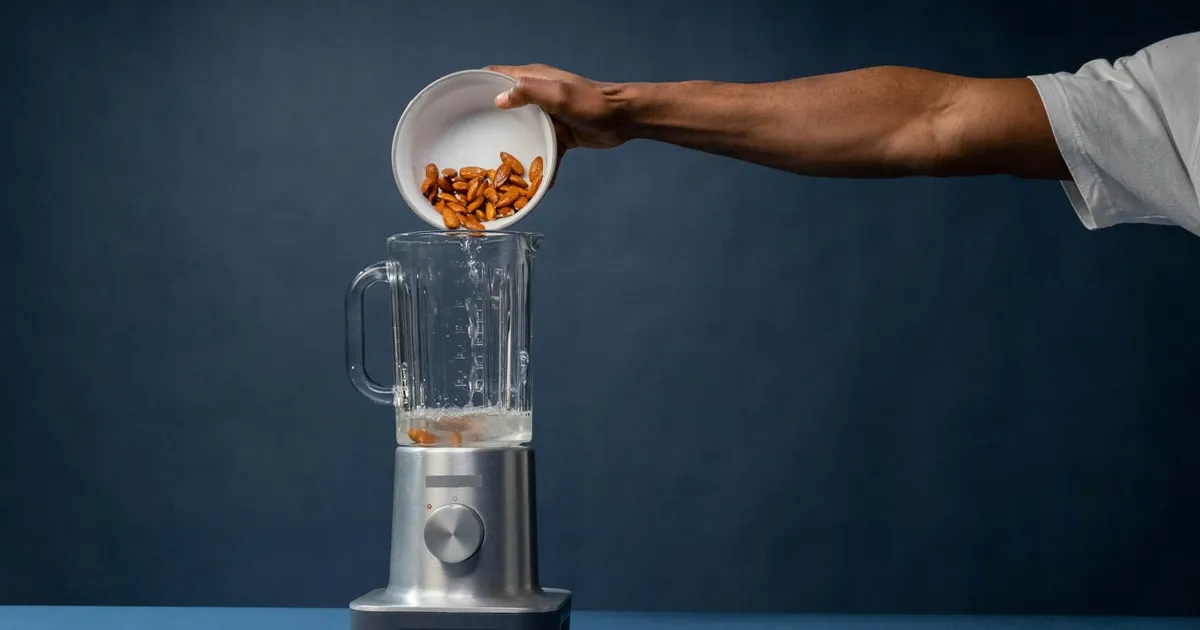
- Add Liquid First: Pour 1 cup of water, unsweetened almond milk, or coconut water into the blender before adding solids for smoother blending.
- Layer Ingredients: Place soft ingredients (spinach, berries) on top of liquids, then harder ingredients (ice, frozen fruit) last for optimal blending.
- Blend Thoroughly: Blend for at 30-60 seconds until completely smooth, ensuring no large chunks remain, which aids digestion.
- Consume Promptly: Drink your smoothie within 15-30 minutes of blending to maximize nutrient retention and prevent oxidation.
Who Should Try It
- Individuals aiming to increase their daily intake of fruits and vegetables.
- People seeking an easy way to consume nutrient-dense meals or snacks.
- Those with difficulty chewing or swallowing solid foods due to dental or medical conditions.
Who Should Avoid It
- Individuals with uncontrolled diabetes, due to the concentrated sugar content.
- People with certain digestive disorders like IBS, as some ingredients might trigger symptoms.
- Anyone on specific medications that interact with common smoothie ingredients; consult your healthcare provider.
FAQ
Q: How long can I store a smoothie? A: For optimal nutrient retention and taste, consume your smoothie immediately. If necessary, store it in an airtight container in the refrigerator for up to 24 hours.
Q: What is the ideal liquid-to-solid ratio for a smoothie? A: A good starting point is 1 part liquid to 2 parts solid ingredients for a thick, but pourable consistency. Adjust based on your preferred texture.
Q: Can I use a regular blender for smoothies, or do I need a high-speed one? A: A regular blender can make smoothies, but a high-speed blender (e.g., 900W or higher) will achieve a smoother texture, especially with fibrous greens and frozen fruits, in about 30-60 seconds.
Q: Will blending destroy the fiber in fruits and vegetables? A: No, blending retains the insoluble and soluble fiber from whole fruits and vegetables. However, it breaks down the fiber into smaller pieces, which can alter its effect on satiety compared to eating whole foods.